Hands Free Safety Tools
Industrial Hand Safety: Hands-Free Tools & Injury Prevention
Core Hand Safety Equipment Categories
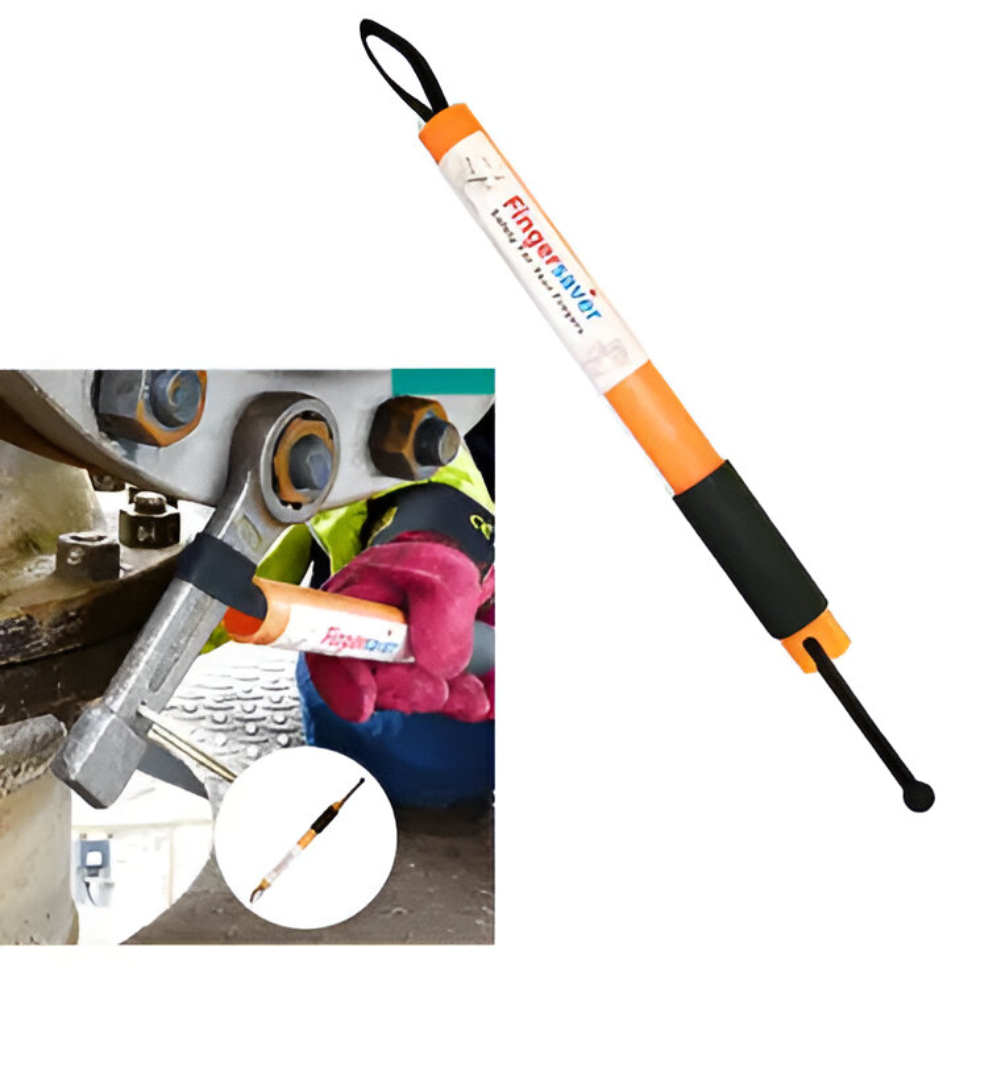
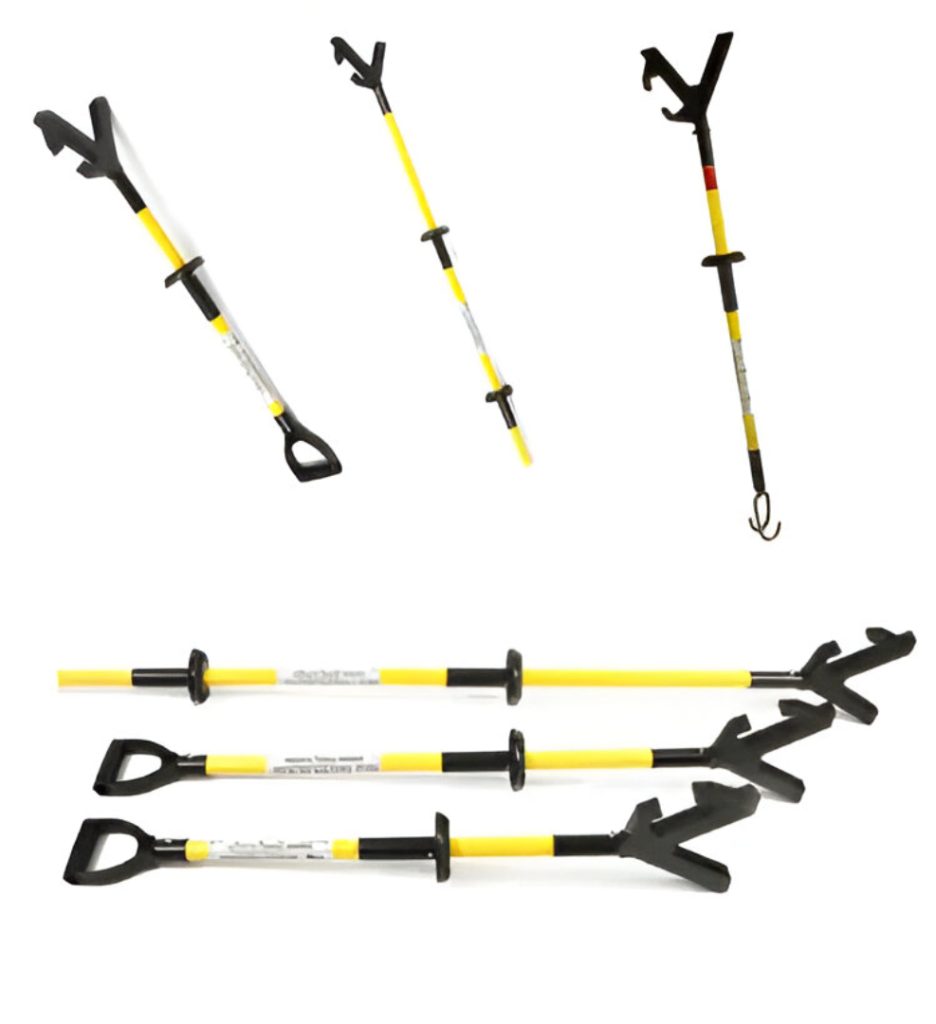
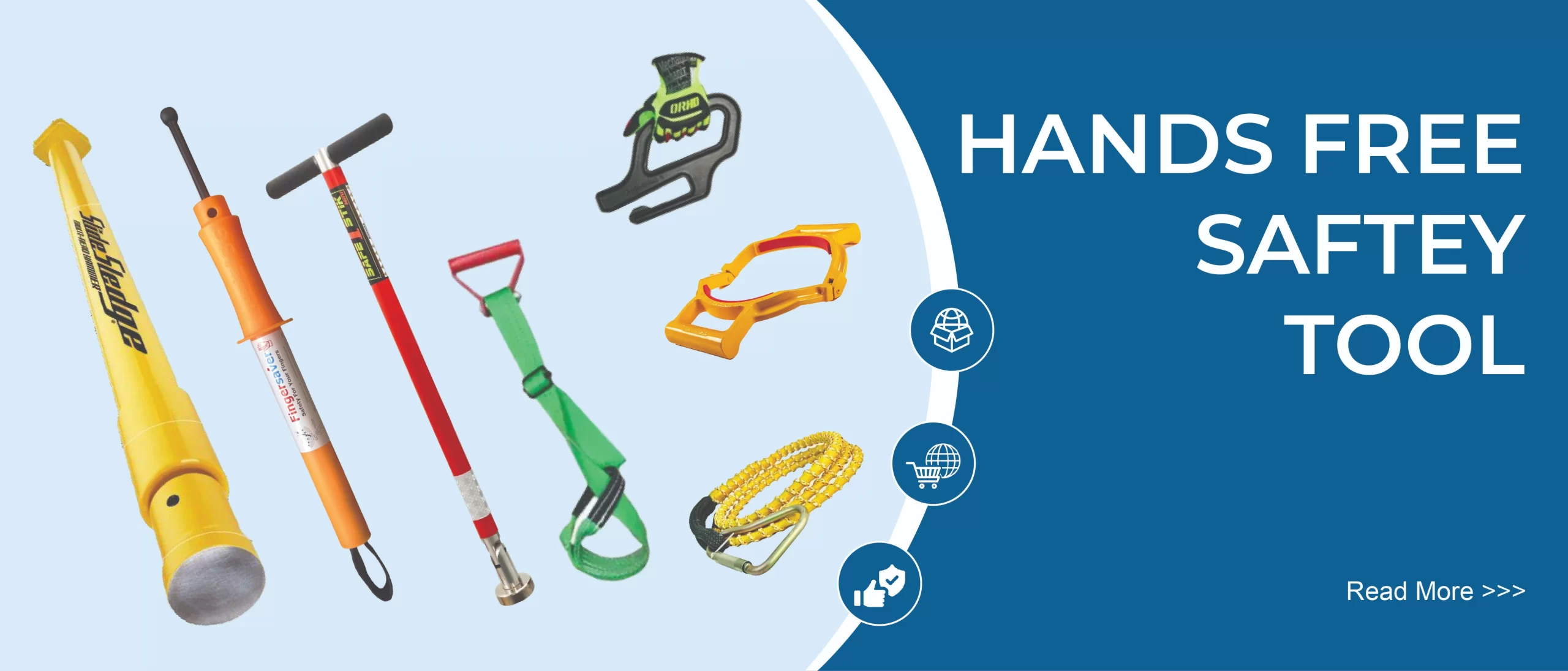
- Finger-Saver Tools: Heavy-duty safety sticks designed to hold striking tools, chisels, and pins at a safe distance, protecting hands from direct hammer strikes and crushing impacts.
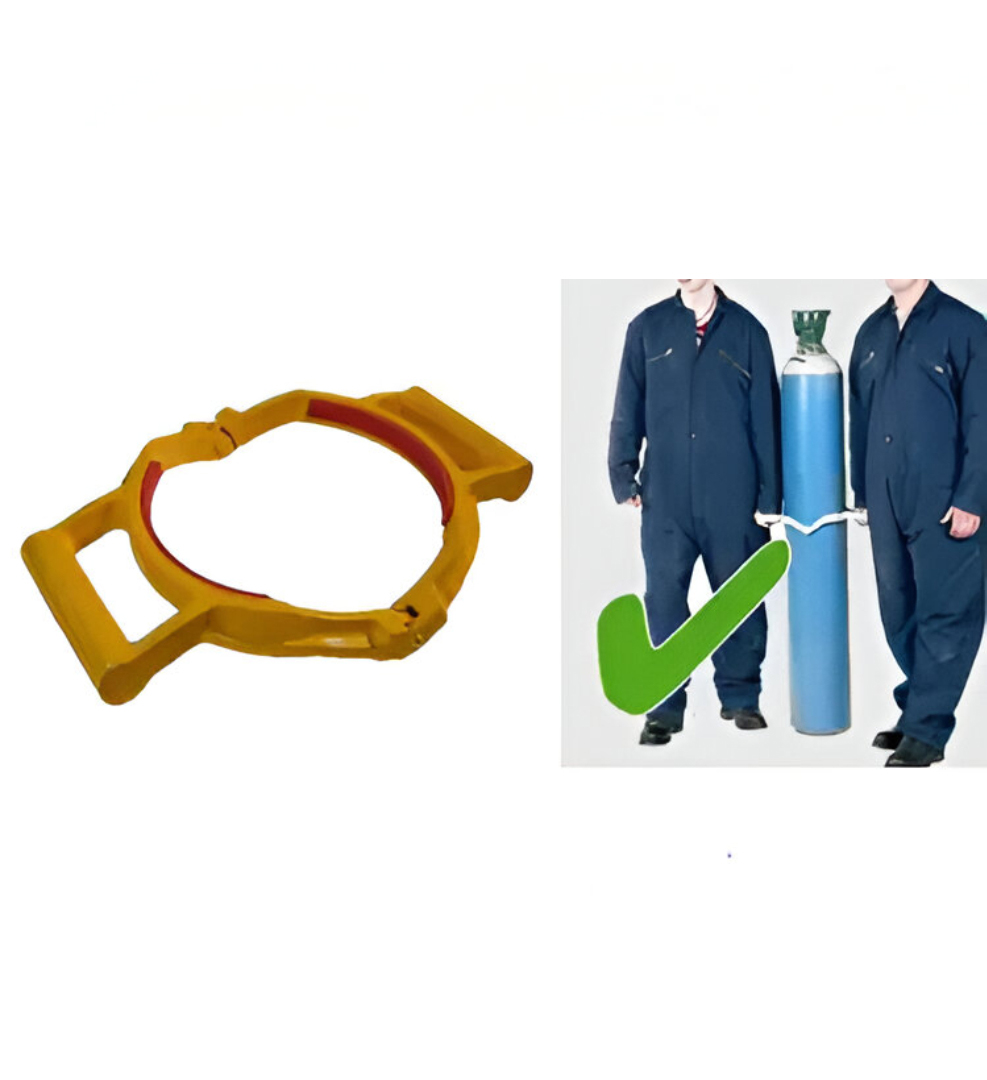
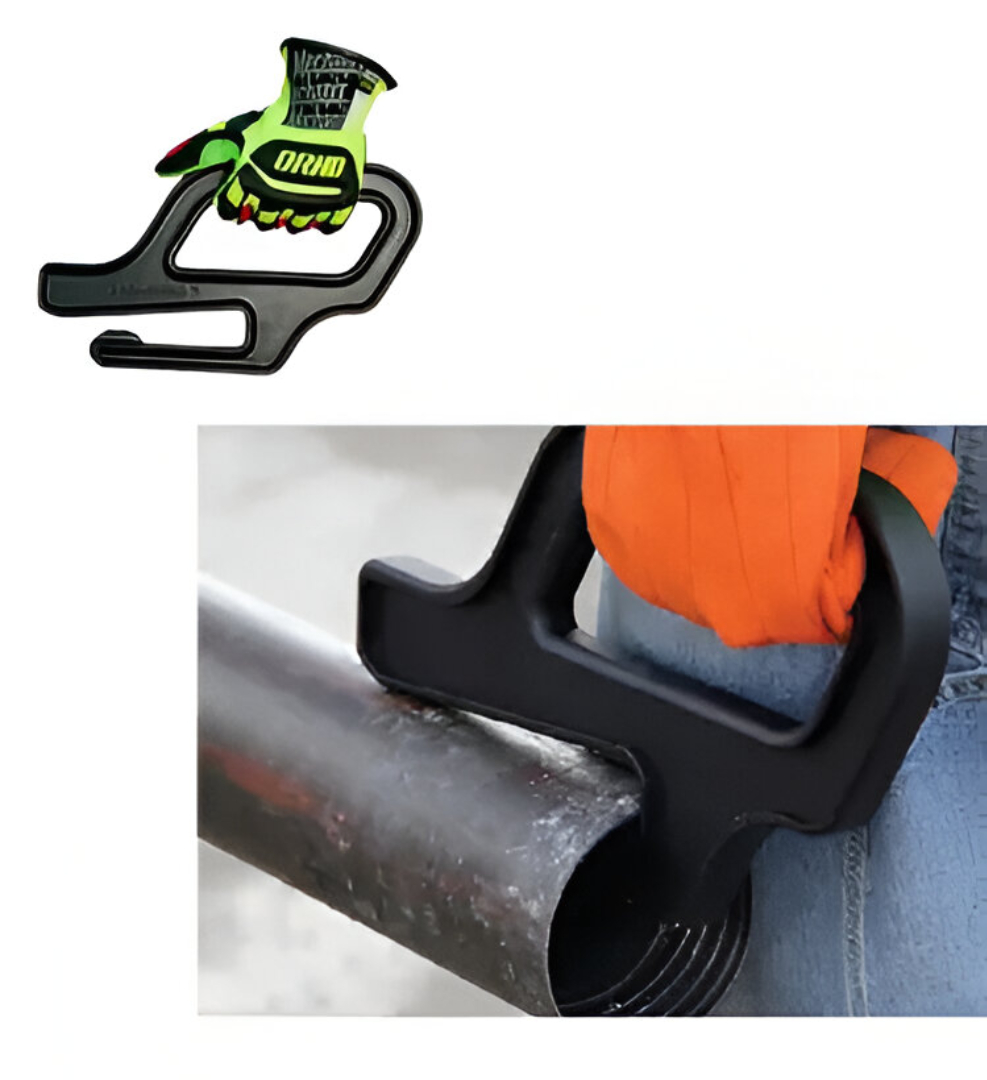
- Gas Grab Handles: Ergonomic, slip-free lifting accessories built for the safe manual handling and transport of heavy industrial gas cylinders to prevent finger-crushing accidents.
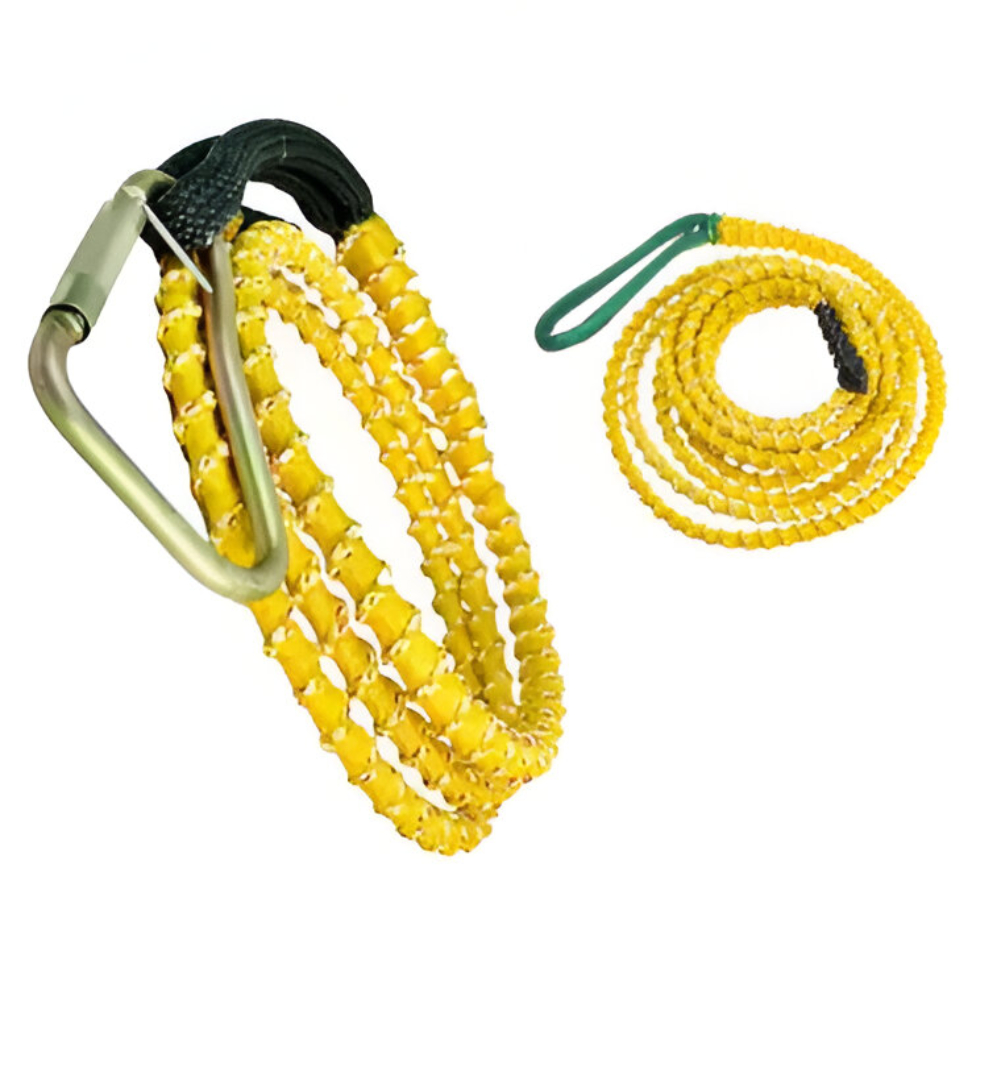
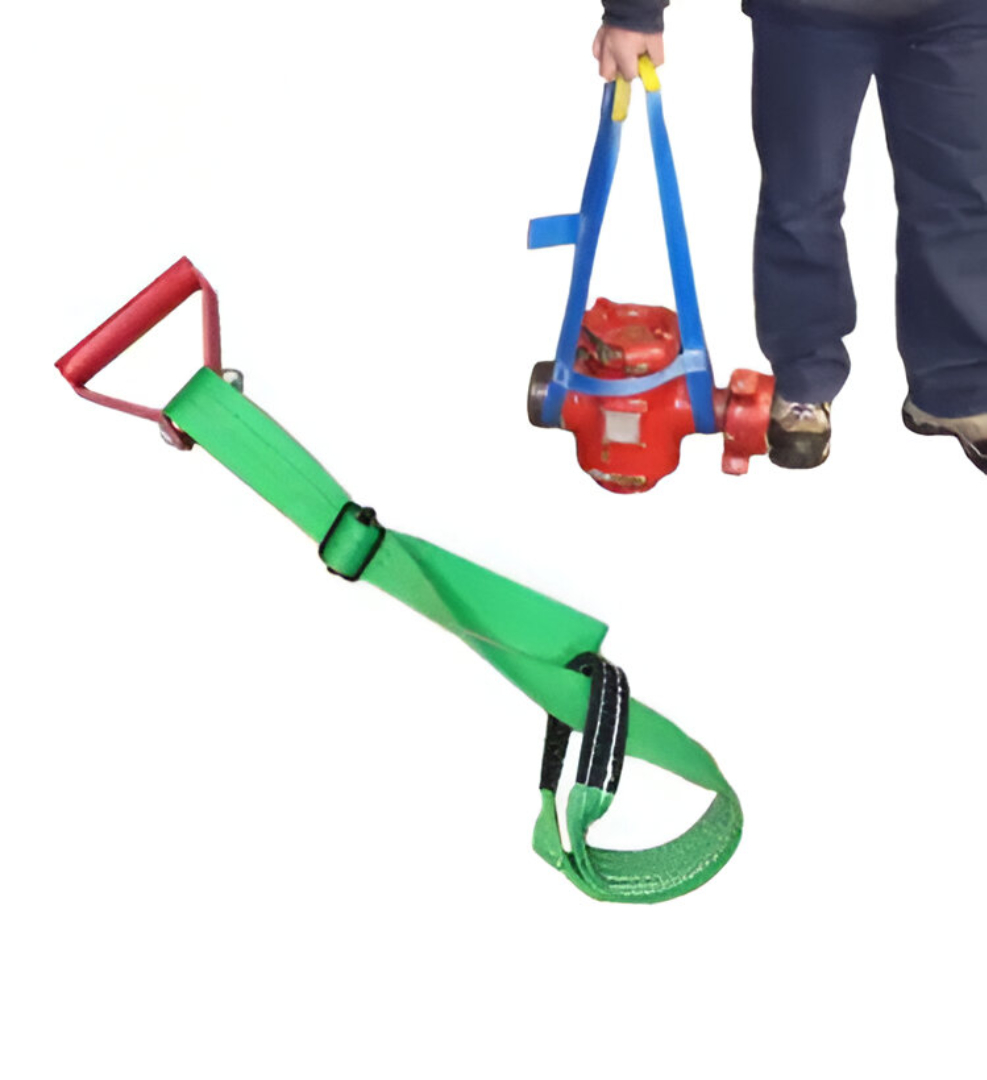
- Manual Handling Slings: High-tensile rigging and lifting slings used to manipulate, push, or guide suspended cargo loads without placing hands directly on the load.
Manual Handling Sling
Finger Saver Tool
Gasgrab Handle
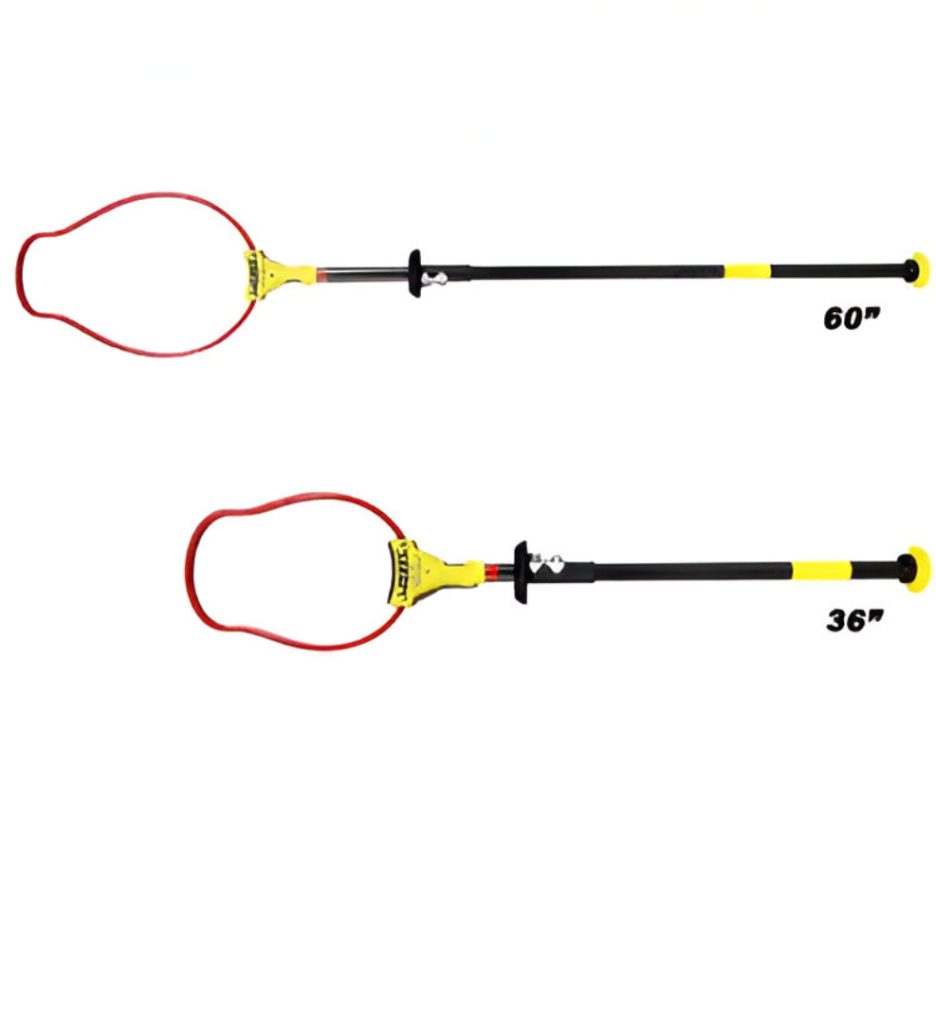
Anti Tangle Tagline
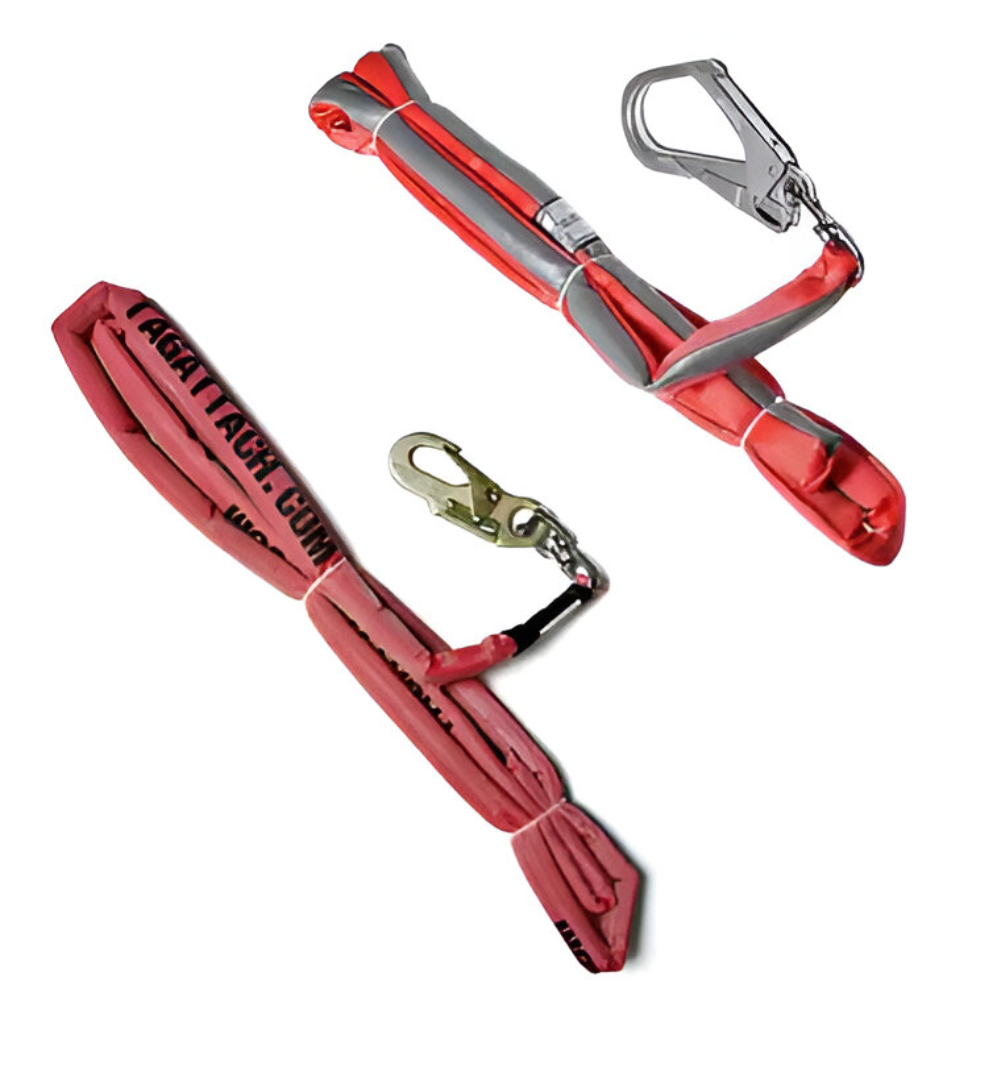
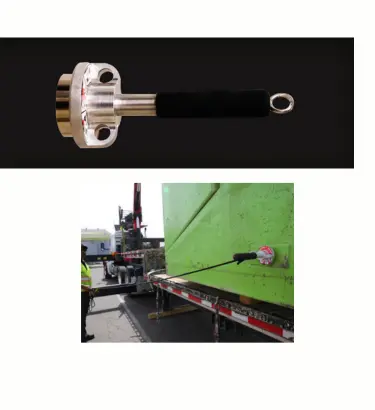
Tagattach
Tagattach
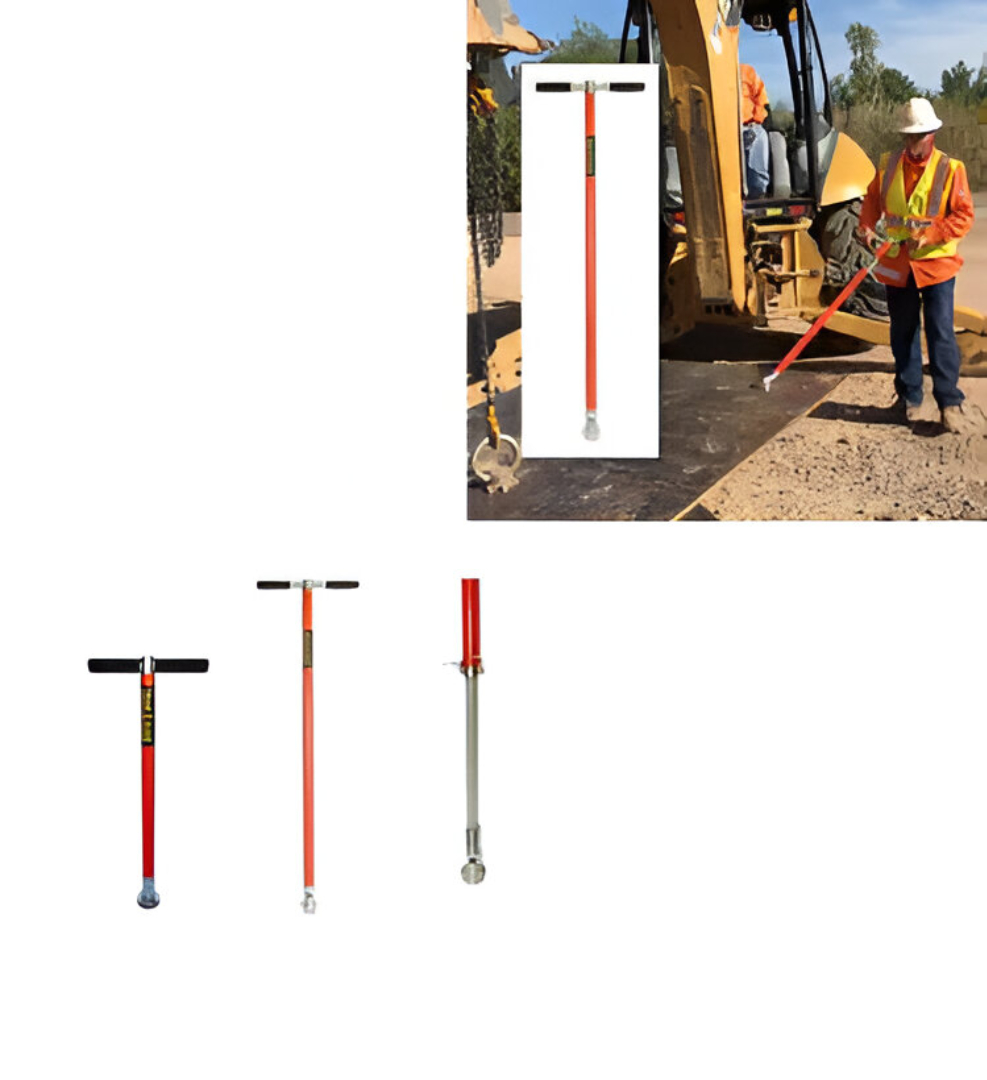
Safe T Stik
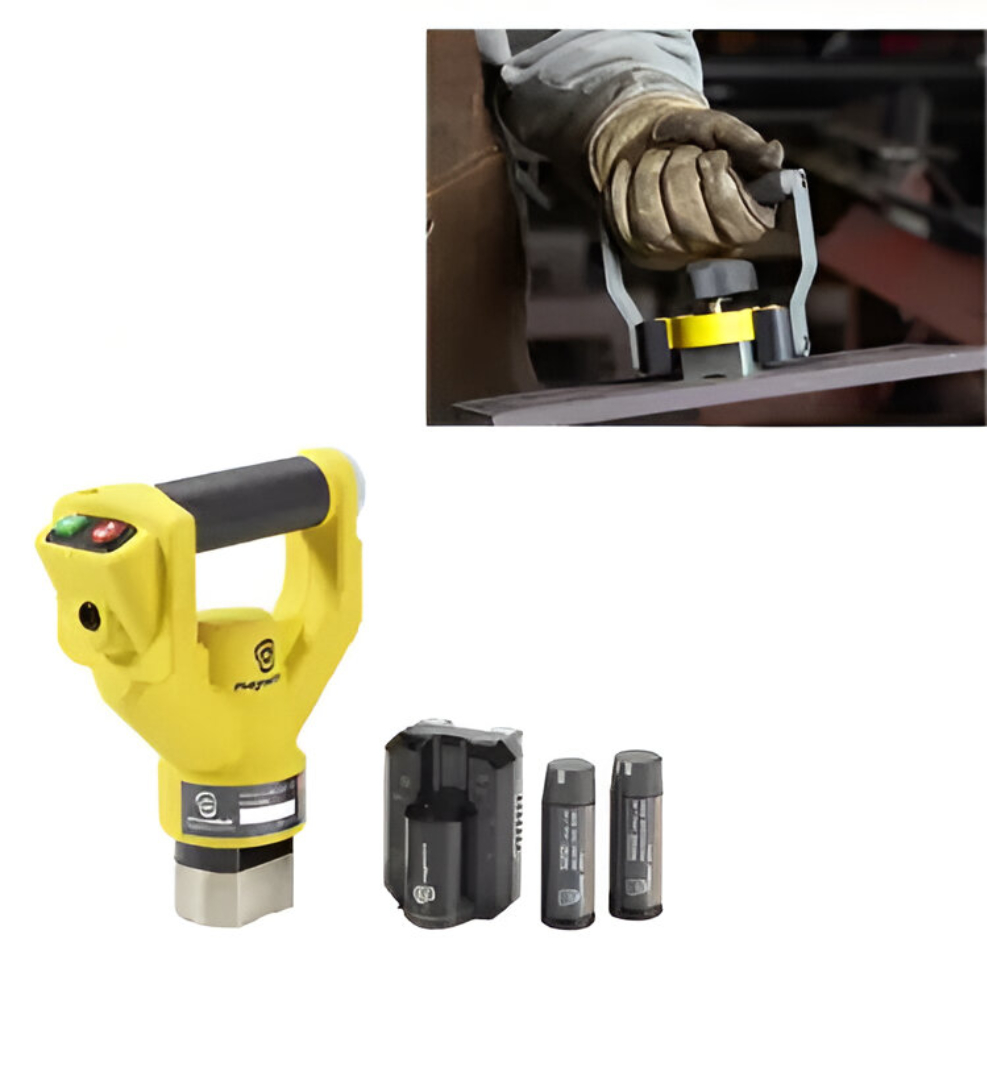
Magnetic Manual Lifting
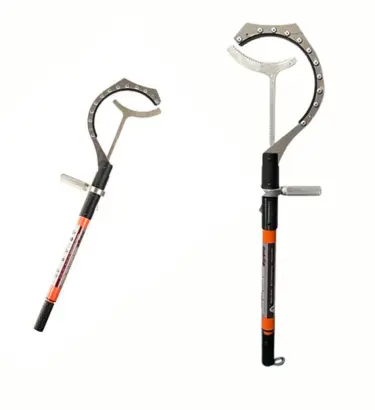
Other Hands Off Tools:
Frequently Asked Questions (FAQ)
Finger-saver tools are designed to protect fingers from getting pinched or crushed during various activities, such as closing doors or operating machinery. These tools provide a barrier between the fingers and potential hazards, reducing the risk of hand injuries.
Gas grab handles provide a secure grip when handling gas cylinders, preventing slips and ensuring stability during transportation or installation. They help reduce the risk of accidents and injuries associated with handling heavy or awkward objects.
Manual handling slings are used to lift and move heavy objects safely. They distribute the weight of the load evenly, reducing strain on the hands and preventing injuries such as strains, sprains, or muscle tears. These slings are essential for promoting proper lifting techniques and minimizing the risk of overexertion.
Hands-free tools protect workers by establishing a safe physical distance between an operator’s hands and active hazard zones, such as suspended loads, heavy machinery, or high-impact strike lines. By acting as a physical proxy, these tools eliminate caught-between, struck-by, and pinch-point industrial incidents.
Using hands-free tools improves workplace operational efficiency, reduces workers’ compensation claims, and ensures strict compliance with OSHA safety regulations. They allow personnel to control heavy materials and equipment safely without entering hazardous “line-of-fire” zones, minimizing costly downtime from workplace accidents